Why Graduates Are Struggling to Get Hired in 2026 (And What Actually Works)
Career Advice · ResumeVera Editorial · June 13, 2026 · 21 min read

Graduation has traditionally been viewed as the gateway to professional success. For decades, students followed a familiar path: earn a degree, build a resume, apply for jobs, and start a career. In 2026, however, many graduates are discovering that the transition from education to employment is far more challenging than expected.
Across the world, graduates are reporting longer job searches, fewer interview opportunities, and increased competition for entry-level positions. Many candidates are doing everything they were told to do. They earn degrees, complete certifications, build LinkedIn profiles, learn AI tools, and apply to hundreds of jobs. Yet many still struggle to receive interview invitations.
This growing frustration has sparked an important question: Why are graduates struggling to get hired in 2026?
The answer is not a lack of talent. The hiring landscape has fundamentally changed. Employers, recruiters, technology, and candidate expectations have all evolved. Understanding these changes can help graduates adapt and significantly improve their chances of landing a job.
Quick Answer
Graduates are struggling to get hired in 2026 because employers increasingly prioritize practical skills, project experience, communication abilities, adaptability, and proof of work over degrees alone. At the same time, AI-powered hiring systems, economic uncertainty, and increased competition have made the job market more challenging. Graduates who combine strong resumes, portfolio projects, networking, and targeted job applications are significantly more likely to succeed.
Why This Topic Is Trending Right Now
Recent reports have highlighted growing concerns among graduates who entered the workforce expecting strong demand but instead encountered a highly competitive hiring environment. Many employers have become more selective while simultaneously adopting new technologies and skills-based hiring practices.
Several factors are driving this conversation:
Increasing use of AI in recruitment.
Growing competition for entry-level positions.
Skills-based hiring replacing degree-first hiring.
Economic caution among employers.
Changing expectations around experience and productivity.
Growing importance of portfolios and practical projects.
As a result, graduates are realizing that academic credentials alone are no longer enough to stand out.
The Graduate Hiring Reality in 2026
One of the biggest misconceptions among students is that obtaining a degree automatically leads to employment. While education remains valuable, employers increasingly evaluate candidates through a broader lens.
Traditional Hiring Model2026 Hiring ModelDegree-focusedSkills-focusedAcademic achievementsPractical achievementsResume-drivenPortfolio-drivenExperience preferredEvidence of capability requiredGeneric applications acceptedTailored applications expected
This shift has created challenges for graduates who invested heavily in education but less in practical experience.
The Five Biggest Reasons Graduates Are Struggling
1. Employers Want Experience
The classic challenge remains surprisingly common. Many entry-level roles still prefer candidates who can demonstrate real-world experience.
This does not necessarily mean years of professional employment. Increasingly, employers accept:
Internships
Freelance projects
Open-source contributions
Volunteer work
University projects
Personal portfolios
The key is demonstrating that you can apply knowledge in practical situations.
2. Degrees Are No Longer Enough
Employers increasingly recognize that degrees do not always reflect workplace readiness. Two graduates with identical qualifications can have dramatically different skill levels.
As a result, companies increasingly evaluate:
Technical skills
Communication skills
Problem-solving ability
Critical thinking
Adaptability
Project experience
Graduates who can demonstrate these qualities often outperform candidates with stronger academic records.
3. Competition Has Increased
Technology has made job applications easier than ever. Candidates can now apply to dozens of jobs in a single day.
While this benefits job seekers, it also creates challenges:
Employers receive more applications.
Recruiters have less time per resume.
Competition extends beyond local markets.
Remote jobs attract global candidates.
Standing out requires more than simply submitting applications.
4. AI Has Changed Recruitment
Many organizations now use Applicant Tracking Systems and AI-powered screening tools to manage applications.
These systems help recruiters identify qualified candidates but also increase the importance of:
Resume optimization
Keyword relevance
Clear formatting
Skills alignment
Graduates who understand modern hiring systems gain a competitive advantage.
5. Soft Skills Matter More Than Ever
As AI automates repetitive work, employers increasingly value human-centered skills.
SkillDemand LevelCommunicationVery HighProblem SolvingVery HighAdaptabilityHighLeadershipHighCritical ThinkingVery HighTeamworkHigh
Many graduates focus heavily on technical qualifications while overlooking these critical capabilities.
What Employers Actually Want
Contrary to popular belief, most employers are not searching for perfect candidates.
They want candidates who demonstrate:
Ability to learn quickly.
Positive attitude.
Strong communication skills.
Relevant technical capabilities.
Evidence of initiative.
Problem-solving ability.
Professionalism.
These traits often matter more than a perfect GPA.
The Rise of Skills-Based Hiring
One of the most important hiring trends of 2026 is the move toward skills-based hiring.
Instead of asking:
Where did you study?
Employers increasingly ask:
What can you actually do?
This shift benefits candidates who invest time building practical skills and demonstrating results.
What Actually Works in 2026
Build a Portfolio
Portfolios provide tangible proof of ability.
Examples include:
Software projects
Marketing campaigns
Design work
Research projects
Case studies
Business analyses
Even simple projects can significantly improve credibility.
Optimize Your Resume
A modern resume should:
Highlight measurable achievements.
Include relevant keywords.
Focus on outcomes.
Remain ATS-friendly.
Be tailored to each role.
Many graduates lose opportunities because their resumes fail to communicate value effectively.
Use LinkedIn Strategically
Recruiters increasingly evaluate LinkedIn profiles before scheduling interviews.
A strong profile should include:
Professional photo.
Clear headline.
Detailed experience.
Projects and achievements.
Skills and endorsements.
Network Consistently
Many opportunities are filled through referrals and professional relationships.
Networking does not require attending expensive events.
Graduates can build networks by:
Connecting with alumni.
Participating in online communities.
Engaging on LinkedIn.
Attending industry webinars.
Joining professional groups.
The Most Common Mistakes Graduates Make
MistakeImpactUsing one resume for every applicationLower interview rateIgnoring LinkedInReduced visibilityApplying without researchPoor relevanceFailing to showcase projectsWeak credibilityRelying only on online applicationsMissed opportunitiesNeglecting networkingSmaller opportunity pool
Industries Still Hiring Graduates Aggressively
Despite challenges, several industries continue to hire graduates at scale.
Artificial Intelligence
Cybersecurity
Cloud Computing
Data Analytics
Healthcare Technology
Financial Technology
Renewable Energy
Enterprise Software
Digital Marketing
E-commerce
Graduates should consider emerging sectors alongside traditional career paths.
How ResumeVera Can Help
Graduates often underestimate the impact of a strong resume. ResumeVera helps candidates create professional, ATS-friendly resumes that effectively communicate skills, achievements, and potential.
Whether you're applying for your first internship or your first full-time role, presenting your experience clearly can significantly improve interview opportunities.
Final Thoughts
Graduates are not struggling because they lack talent. They are entering a job market that has evolved faster than many educational systems. Employers increasingly value skills, experience, adaptability, and proof of work alongside formal qualifications.
The good news is that these challenges can be overcome. Candidates who build portfolios, optimize their resumes, strengthen their LinkedIn presence, network consistently, and demonstrate practical capabilities position themselves far ahead of the average applicant.
In 2026, success is less about having the perfect degree and more about proving your ability to create value. Graduates who understand this shift will be best positioned to secure opportunities and build rewarding careers.
References
Written and checked by ResumeVera Editorial. How we research and review
Get free ATS tips every week
Actionable resume and ATS tips, when we publish them. No spam. Unsubscribe any time.
Related Articles
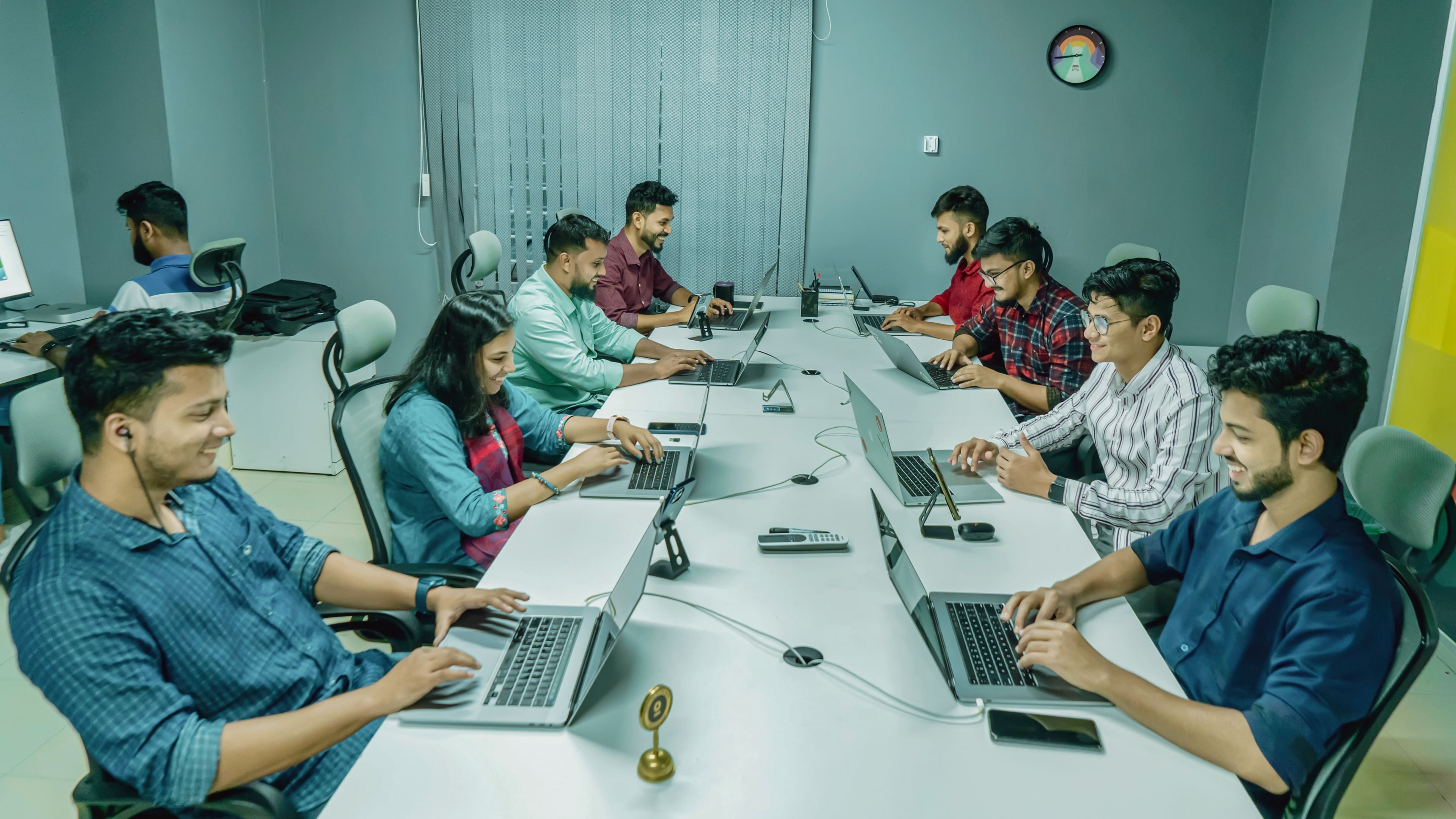
The careers holding up best in a frozen job market
The 2026 job market is often described as frozen, and the label mostly fits. But frozen is an average, and averages hide where hiring is still happening. Using BLS growth projections and real wage data, here is where the jobs and the pay actually are right now.
Read More

Laid Off in 2026? Here's How to Rebuild Your Resume Fast
Getting laid off is disorienting, but the job market rewards people who move quickly and strategically. This practical guide walks you through rebuilding your resume, explaining gaps with confidence, and landing interviews within weeks of a layoff.
Read More

Should You Include a Photo on Your Resume in the United States?
Learn why including a photo on your resume is discouraged in the United States, the legal implications under EEOC and Title VII, how resume photo norms differ globally, and what personal information American recruiters actually expect to see in 2026.
Read More
Try it
Check this against your own resume
The post above is general. Your file is not. The checker reads it the way a parser would and tells you which of these points it actually breaks.
Check your resume free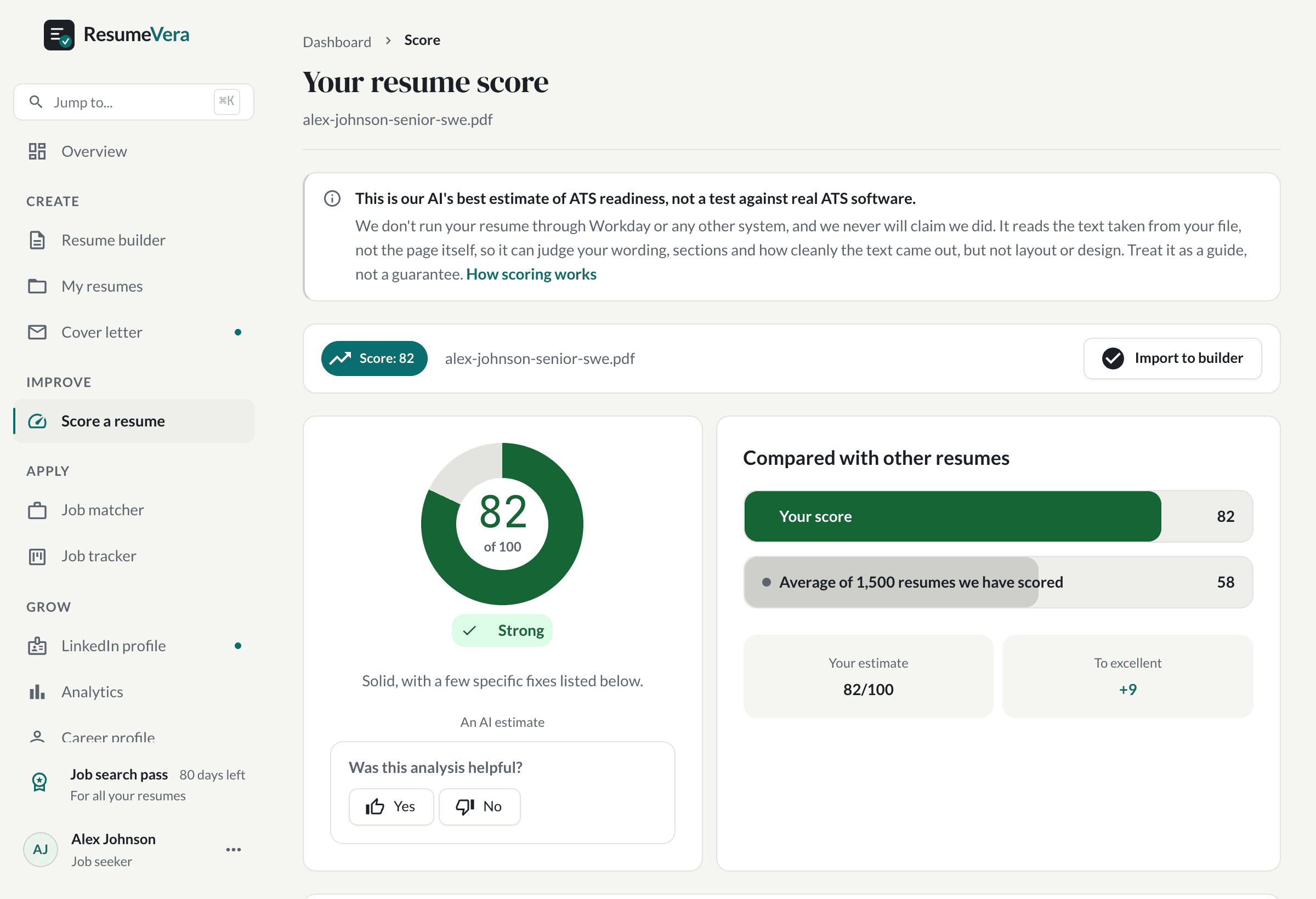
The real score page, with a sample resume and sample scores.
Now check it against your own resume
An honest resume score in seconds. No account, no card.